
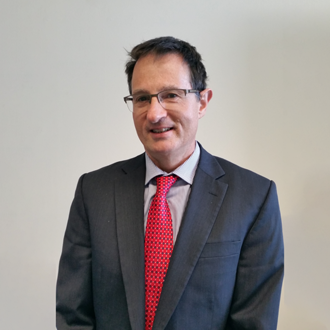

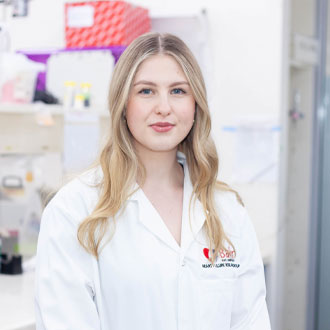
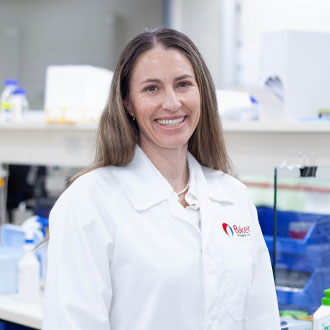
Meet the team
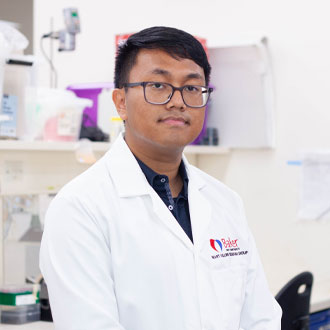
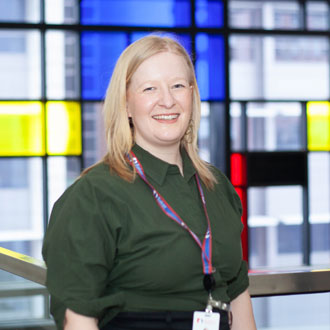


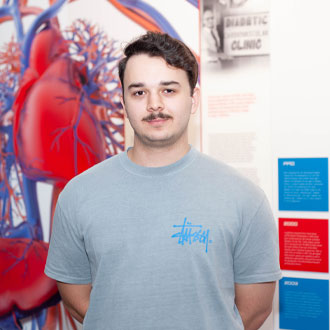
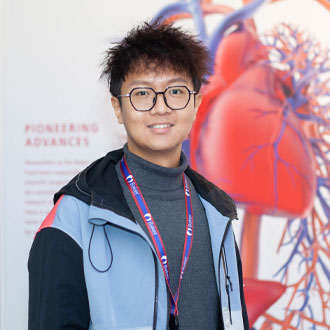

About Heart Failure Research
Heart failure is the most common chronic, progressive cardiovascular condition. It brings severe symptoms, frequent hospitalisations and reduced life expectancy — profoundly affecting patients and their families.
Heart failure occurs when the heart muscle cannot pump effectively (systolic dysfunction) or cannot fill adequately (diastolic dysfunction). The condition is particularly common in older people and may develop after a heart attack or result from other triggers, including high blood pressure, diabetes, chronic kidney disease, heart rhythm disturbances such as atrial fibrillation, and cancer treatments, including both chemotherapy and radiotherapy. Symptoms usually develop slowly — breathlessness and increasing fatigue — although some patients present for the first time with acute illness.
Our mission
Our research is directed at improving the prognosis and quality of life for heart failure patients by finding ways to enhance the function of the heart and blood vessels.
Research approach
Professor David Kaye and his colleagues investigate several fundamental abnormalities that cause the symptoms of heart failure. Using experimental techniques spanning from basic cellular studies on cardiac muscle cells and cardiac fibroblasts through to detailed studies in heart failure patients using specialised cardiac catheterisation techniques, we're uncovering the mechanisms behind this complex condition.
Key research areas
We are interested in an extensive spectrum of the pathophysiology of heart failure, including both reduced and preserved ejection fraction. Our group studies the physiology of HF in patients and in animal models to identify new mechanisms in the myocardium that could be developed into therapies. In addition we focus on the way in which other tissues (kidney, liver, gut, lungs, immune system and brain) influence the heart as it begins to fail.
Translating research into treatments
The Heart Failure Research team is an internationally recognised leader in the commercial translation of research at the Baker Institute. Our work has generated substantial intellectual property, leading to the development of medical devices and drug therapies that are improving patient care worldwide.
Companies founded on the basis of our research include:
- Cardiac Dimensions Incorporated (Seattle) — developing devices for heart failure treatment.
- Osprey Medical (Minneapolis, ASX: OSP) — creating technologies to protect kidney function during heart procedures.
- Cardiora — advancing heart failure therapeutics (now licensed to Hyloris Pharmaceuticals).
This track record of translation demonstrates our commitment to ensuring laboratory discoveries become real-world solutions for patients.