
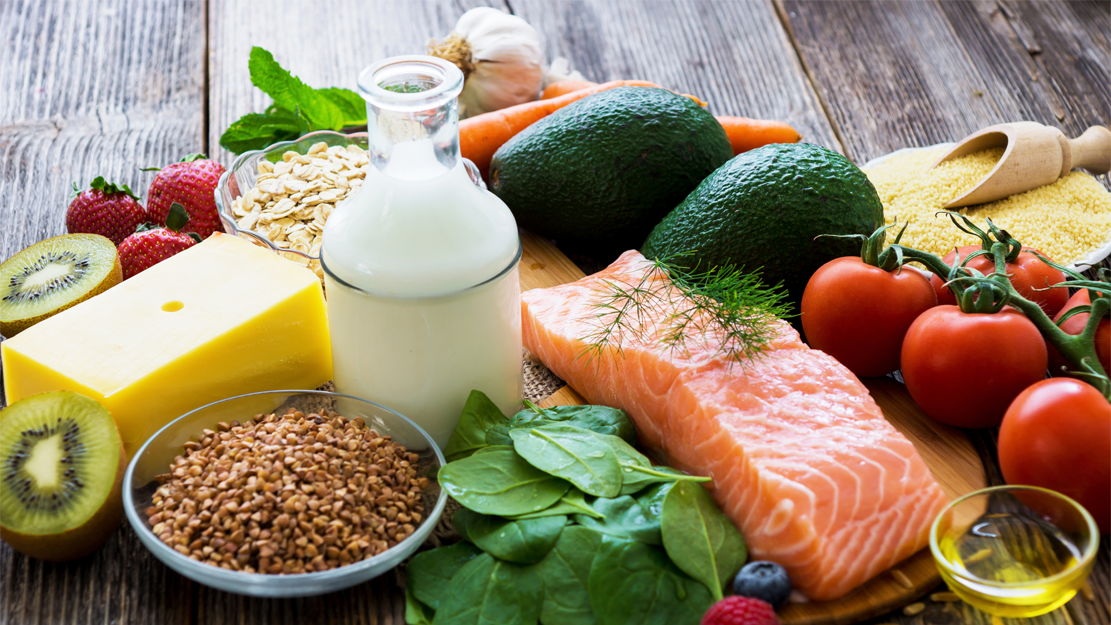
The foods you eat play a vital role in protecting your heart health. Choosing the right types of fats, increasing fibre and selecting lean proteins can help reduce your risk of heart disease and support overall cardiovascular wellbeing.
Making heart-healthy food choices doesn't mean giving up flavour or satisfaction. By focusing on healthy fats, plant sterols, soluble fibre and quality protein sources, you can create delicious meals that nourish your heart and body.
What you will learn in this fact sheet
This fact sheet provides practical guidance for heart-healthy eating.
- Choosing healthy fats and food sources.
- The role of plant sterols in heart health.
- How soluble fibre supports cardiovascular health.
- Selecting healthy protein options.
- Reading food labels for heart-healthy choices.
Healthy fats for your heart
Include a variety of healthy fats daily. These include monounsaturated, polyunsaturated and omega-3 fats.
Monounsaturated fats
Food sources:
- extra virgin olive oil, peanut oil
- avocado
- almonds, peanuts and cashews.
Polyunsaturated fats
Food sources:
- oily fish and seafood (salmon, sardines, tuna, mussels)
- sunflower, canola oil
- walnuts, brazil nuts, pine nuts
- chia, flaxseed, sunflower seeds
- tahini
- soybeans.
Omega-3 fats
Omega-3 fats are a type of polyunsaturated fat that may reduce the risk of heart disease and stroke. Found naturally in oily fish, seafood and plant sources like walnuts, chia, hemp and flaxseed.
If you have high triglyceride levels, a fish oil or algae supplement may help. Speak with your health professional before starting supplements.
Plant sterols
Plant sterols help block cholesterol absorption in the body. Increase your intake by eating more plant foods, taking supplements or choosing products with added plant sterols.
Soluble fibre
Increasing soluble fibre can help reduce cholesterol. Found in oats, barley, psyllium, legumes, lentils, fruit, vegetables and seeds.
Ways to add soluble fibre:
- Choose porridge or muesli with oats for breakfast.
- Add canned four bean mix to salads.
- Snack on fresh fruit.
- Put psyllium or chia seeds in yoghurt or smoothies.
- Add a fibre supplement like Metamucil or Benefibre.
Supporting vital heart health research
This evidence-based fact sheet was developed by the Baker Heart and Diabetes Institute, where researchers have been advancing cardiovascular health knowledge for decades.
Help us continue providing free, expert health resources. Your support enables us to:
- Develop more comprehensive fact sheets like this one.
- Conduct research that informs better heart health guidance.
- Make evidence-based health information freely accessible to all Australians.
Support our research and free resources
Your donation helps ensure we can continue creating and updating valuable health guides for the community.
Healthy protein sources
Include variety throughout the week. Fish and seafood provide omega-3, while legumes, nuts and seeds offer plant protein, dietary fibre and healthy fats.
Choose mostly:
- fish
- tofu
- seafood
- chickpeas
- lentils
- black beans.
Small amounts:
- eggs
- lean poultry
- lean pork.
If you eat red meat:
- Choose lean cuts.
- Limit to 1-2 times per week (maximum 350g per week).
Limit consumption of processed meats:
- sausages
- bacon
- ham
- deli meats.
Meal planning with healthy fats and fibre
Breakfast: rolled oats with chia seeds, reduced-fat milk and berries.
Lunch: lentil and sweet potato salad with almonds.
Dinner: grilled salmon with vegetables, quinoa and olive oil yoghurt dressing.
Snack: apple and celery with 1 tablespoon nut butter.
If you have diabetes or heart disease:
- Choose reduced-fat cheese, yoghurt and milk.
- Limit eggs to 7 per week.
Reading labels for heart health
When checking Nutrition Information Panels, look for:
- Saturated fat: less than 2g per 100g.
- Exceptions: cooking oils (olive, canola), cheese, whole nuts and seeds.
- Trans fat: less than 1g per 100g. Trans fats may not always be listed.
- Fibre: more than 5g per 100g.
- Sodium: less than 400mg per 100g.