
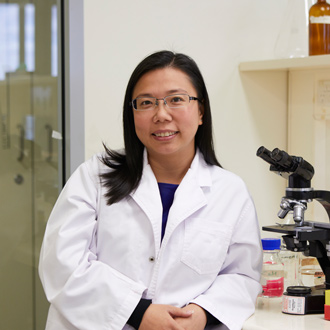
Laboratory head
Research projects and Student research

Meet the team
Scientific staff
-
-

-

-

-
-

-
-

-
Students


About us
The Molecular Imaging and Nanotherapeutics laboratory is dedicated to developing cutting-edge technologies that will redefine how cardiovascular diseases are diagnosed, treated, and prevented. Our multidisciplinary research spans advanced imaging modalities, targeted drug delivery, nanobiotechnology, and an exciting new program pioneering mRNA vaccines for cardiovascular diseases(CVD).
By integrating discovery science with translational medicine, we aim to bring bold ideas from bench to bedside, improving patient outcomes through early detection, precision therapy, and preventative strategies.
Our team conducts cutting-edge research in:
- Advanced functional and molecular imaging using ultrasound, MRI, PET, MicroCT, fluorescence, and photoacoustic imaging.
- Targeted therapeutics designed for side-effect-free prophylactic and therapeutic use.
- Nanobiotechnology innovations to create novel drugs, mRNA therapeutics, and mRNA vaccine delivery systems.
The laboratory offers an exceptional environment for students and postdoctoral researchers interested in developing advanced nanobiotechnological tools for imaging and precision therapeutics, including mRNA-based treatments and vaccines for cardiovascular disease. Our translational approach, which includes patient involvement in studies, also provides unique opportunities for physician-scientists seeking to bridge research and clinical practice.
Our research focus
Advancing functional and molecular imaging
Conventional clinical imaging often detects disease only after damage is irreversible. Our research pushes the boundaries of imaging science, using ultrasound, MRI, PET, MicroCT, fluorescence, and photoacoustic imaging to uncover functional and molecular changes far earlier. These sensitive readouts enable timely interventions and personalised care, bridging the gap between anatomy and function for a new era of cardiovascular diagnostics.
Targeted therapeutics for precision medicine
We design recombinant proteins and antibody-drug fusion therapeutics to deliver treatments precisely where they are needed, eliminating side effects and maximising efficacy. This approach allows us to use minimal systemic drug doses while achieving potent, site-specific action, setting the stage for safer prophylactic and therapeutic options.
Innovations in drug and mRNA nanodelivery systems
Our team engineers nano- and micro-particle platforms for targeted delivery of drugs and genetic material. By harnessing novel biomaterials, we enhance the delivery of mRNA and other therapeutics to diseased tissues with precision. This work underpins our new mRNA vaccine arm for CVD, which seeks to prevent heart attacks and strokes by training the immune system to target key drivers of disease before symptoms arise.
Theranostics — merging therapy and diagnostics
We develop systems that integrate therapy and real-time diagnostics, enabling clinicians to both treat disease and track therapeutic response in a single, seamless process. This convergence of treatment and monitoring enhances precision, effectiveness, and safety in cardiovascular care.