
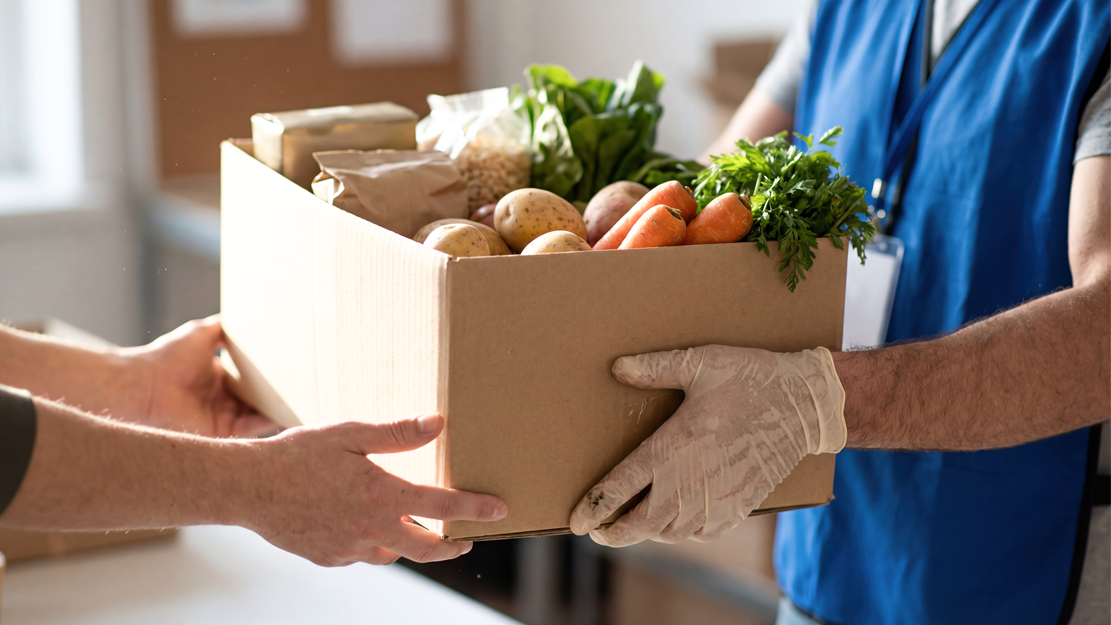
If you're living with diabetes or heart disease, having a plan for your nutrition takes the pressure off — especially during busy weeks, illness, or times when getting to the shops is harder than usual. A pantry stocked with the right basics means a healthy meal is always within reach.
What you will learn in this fact sheet
This fact sheet is a practical guide to building a pantry that works for you.
- How to take stock of what you already have and shop with a plan.
- The shelf-stable staples our dietitians keep on hand.
- Whether frozen, fresh or canned is the better choice.
- What to leave on the shelf when a special looks tempting.
Make a plan
A little organisation goes a long way.
- Do a stocktake. Check what's already in your pantry and look at the use-by dates before you shop.
- Make a grocery list of longer-lasting, shelf-stable foods from the major food groups: grains and cereals, vegetables, fruit, dairy, and meat or protein alternatives.
- Put the healthy food front and centre. Make healthier foods more visible in your pantry, and keep treat foods out of easy reach at the back of the cupboard.
A dietitian's shopping trolley
These are the staples our dietitians reach for.
Protein sources
- canned fish
- dried or canned legumes
- nuts, seeds and nut butters
- UHT and powdered milks.
Grains
- rice
- pasta
- quinoa
- rolled oats
- wholegrain bread or wraps — freeze them to extend their shelf life.
Dietitian approved: enjoy oily fish such as salmon, mackerel or tuna two to three times a week to help support heart health and brain function.
Dietitian approved: grains and cereals can get a bad rap, but dietitians understand how important they are in everyday diets. They contain a wide range of vitamins and minerals, and they're high in dietary fibre — which helps stabilise blood glucose levels and keeps you feeling fuller for longer.
Frozen, fresh or canned — which is best?
There's a place for all three.
- Frozen fruit and vegetables are just as nutritious as fresh, and occasionally more so.
- Fresh vegetables that last longer include potatoes, onions, carrots, pumpkin and cabbage. Longer-lasting fresh fruits include apples and citrus.
- Canned options can be less nutritious, but they're convenient, budget-friendly and keep for a long time. Where you can, choose canned products that are reduced-salt and reduced-sugar.
What to limit
A few things are worth being deliberate about when you're stocking up.
- Be careful of supermarket 'specials'. Junk foods like chips, chocolate blocks, lollies and soft drinks are discounted more heavily than healthy foods in Australian supermarkets, so a special isn't always a saving.
- Skip high-sugar breakfast cereals wherever possible if you're living with diabetes or heart disease.
- Use our shopping guide. The dietitians at the Baker Institute have put together a Supermarket shopping guide with healthier product swaps.
Download your free fact sheet
The fact sheet also includes a healthy fried rice recipe built almost entirely from pantry staples.