

0 item $0.00

Cardiovascular Inflammation and Redox Biology

Read more

Laboratory head

Close
i Profile of author

Latest Achievements

Australian Atherosclerosis Society (AAS) committee President (2023–)

Australian Atherosclerosis Society (AAS) committee Director (2020–2022)

Founding member, Baker Institute Gender Equity and Diversity Committee (2014–)

Member of the Drug Discovery and Translation Flagship of the Australian Cardiovascular Alliance (2019–)

Australian Atherosclerosis Society (AAS) committee member (2010–2013)

Read full biography
Professor Judy de Haan Laboratory Head
We aim to understand why diabetes drives cardiovascular disease by dissecting the roles of chronic inflammation, oxidative stress and innate immune pathways. By probing immune metabolism and key molecular axes such as NLRP3-GasderminD and Nrf2, we strive to identify new opportunities for targeted intervention.

Staff

Researchers

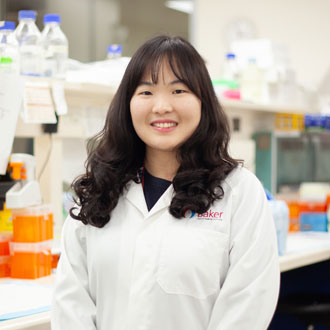
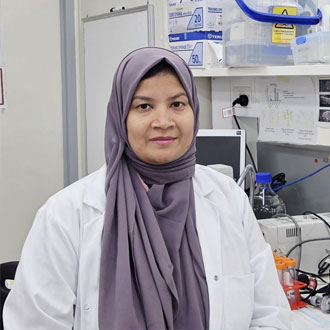
Dr Judy S Choi Mehnaz Pervin

Students

Namrata Prajapati Yiyu Wang Parvin Yavari


About the Cardiovascular Inflammation and Redox Biology laboratory

Research in the Cardiovascular Inflammation and Redox Biology laboratory focuses on improving the lives of people with diabetes by reducing the burden of cardiovascular disease.

By identifying novel therapies aimed at lowering both inflammation and oxidative stress, our research is opening new areas for drug discovery. These preclinical studies represent crucial first steps in understanding how to better tackle the complications that arise from this fast-growing health issue, particularly given the obesity epidemic and its link to type 2 diabetes.

Understanding inflammation and oxidative stress in diabetes

Our research seeks to define how inflammation and oxidative stress drive the development and progression of diabetes-associated cardiovascular diseases. We investigate the cellular and molecular mechanisms that link metabolic dysfunction to activation of innate immune pathways, focusing particularly on chronic low-grade inflammation, dysregulated redox balance, and immune cell reprogramming.

By dissecting key signaling networks, including the NLRP3–Gasdermin D inflammasome axis and NRF2-mediated antioxidant responses, we aim to understand how these pathways shape immune metabolism, promote adverse vascular remodeling, and influence immune cell colonisation within cardiovascular tissues. Through this mechanistic insight, our goal is to identify precise targets for therapeutic intervention that can prevent or attenuate cardiovascular complications in diabetes.

Tackling vessel re-closure after stenting

Another interest of our laboratory centres on understanding the mechanisms behind vascular remodelling (restenosis) after balloon angioplasty and stenting. Diabetic patients face a four-fold increased risk of vessel re-closure after coronary artery stenting.

Current drug-eluting stents (DES) indiscriminately inhibit all cell growth. Our unique approach encourages endothelial cell growth — which helps healing — whilst limiting smooth muscle growth and the attachment of inflammatory cells to stent surfaces. Together with Swinburne University, we're trialling new stent coatings in in vitro and in vivo models.

Research highlights

  • Understanding fundamental processes
    How oxidative stress impacts diabetic cardiovascular complications at a molecular level.
  • Impact of oxidative stress on inflammatory pathways
    Including NF-κB, MAP kinases, NLRP3 inflammasome activation, caspase maturation and cytokine production.
  • Reductive stress and vascular remodelling
    Understanding how reductive stress affects blood vessel changes and disease progression.
  • Novel Nrf2 activators
    Using novel activators of Nrf2 to limit diabetic cardiovascular disease.
  • Novel inhibitors of GasderminD to limit cytokine release by immune cells
    Discovery pipeline of small molecules to target GasderminD to lessen inflammation
  • Immunometabolites as potent anti-inflammatory therapeutics
    • Harnessing the anti-inflammatory properties of highly expressed immunometabolites to treat diabetes-mediated CVD.
    • Tackling diabetes-driven restenosis to improve the life of a stent with a focus on reducing oxidative and inflammatory stress.

Support us

With the rising number of Australians affected by diabetes, heart disease and stroke, the need for research is more critical than ever.

Find out more