
05 December 2025
Institute news
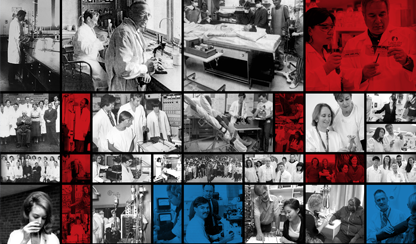
The countdown is on as we prepare to celebrate our centennial year in 2026.
The establishment of the Baker Institute in Melbourne in 1926 was the culmination of vision, determination, and collective effort.
At its heart was pathologist John Mackeddie, who recognised the urgent need to elevate laboratory facilities at The Alfred Hospital to match the groundbreaking advances in medical research happening overseas.
He shared this vision with his friend, pharmacist and philanthropist Thomas Baker, who believed deeply in the power of medical research to transform lives.
In 1922, Thomas Baker financed a biochemistry department at The Alfred Hospital. Following the opening of the new building in 1926, Thomas Baker and his wife Alice pledged ongoing support for the laboratory — named 'The Thomas Baker, Alice Baker and Eleanor Shaw Medical Research Institute' in honour of the Bakers and Alice's sister.
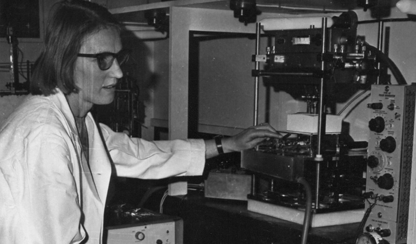
With a handful of passionate researchers in a modest laboratory at the back of The Alfred Hospital, the Baker Institute was born.
Now, as 2026 draws closer, we're honouring that legacy by leveraging 100 years of innovation to accelerate the translation of research into practice — delivering better health outcomes for people affected by cardiovascular disease, diabetes, and obesity.
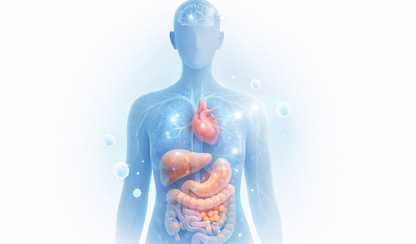
While our world has transformed dramatically since 1926, and despite significant progress, the problems persist. Cardiovascular disease remains the world's biggest killer. Diabetes affects nearly 600 million people worldwide.
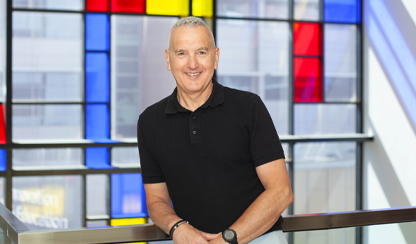
Director, Professor John Greenwood says: “As one of the few institutes in the world dedicated to both cardiovascular disease and diabetes — conditions that are intrinsically linked — we're uniquely positioned to lead the charge”.
“We're looking ahead to 2030 with a clear roadmap: our five-year strategy designed to shape the future of health through science that matters.
“As we prepare to honour 100 years of pioneering research, we’re also ready for the next century of life-changing impact.”